Filmy Khabri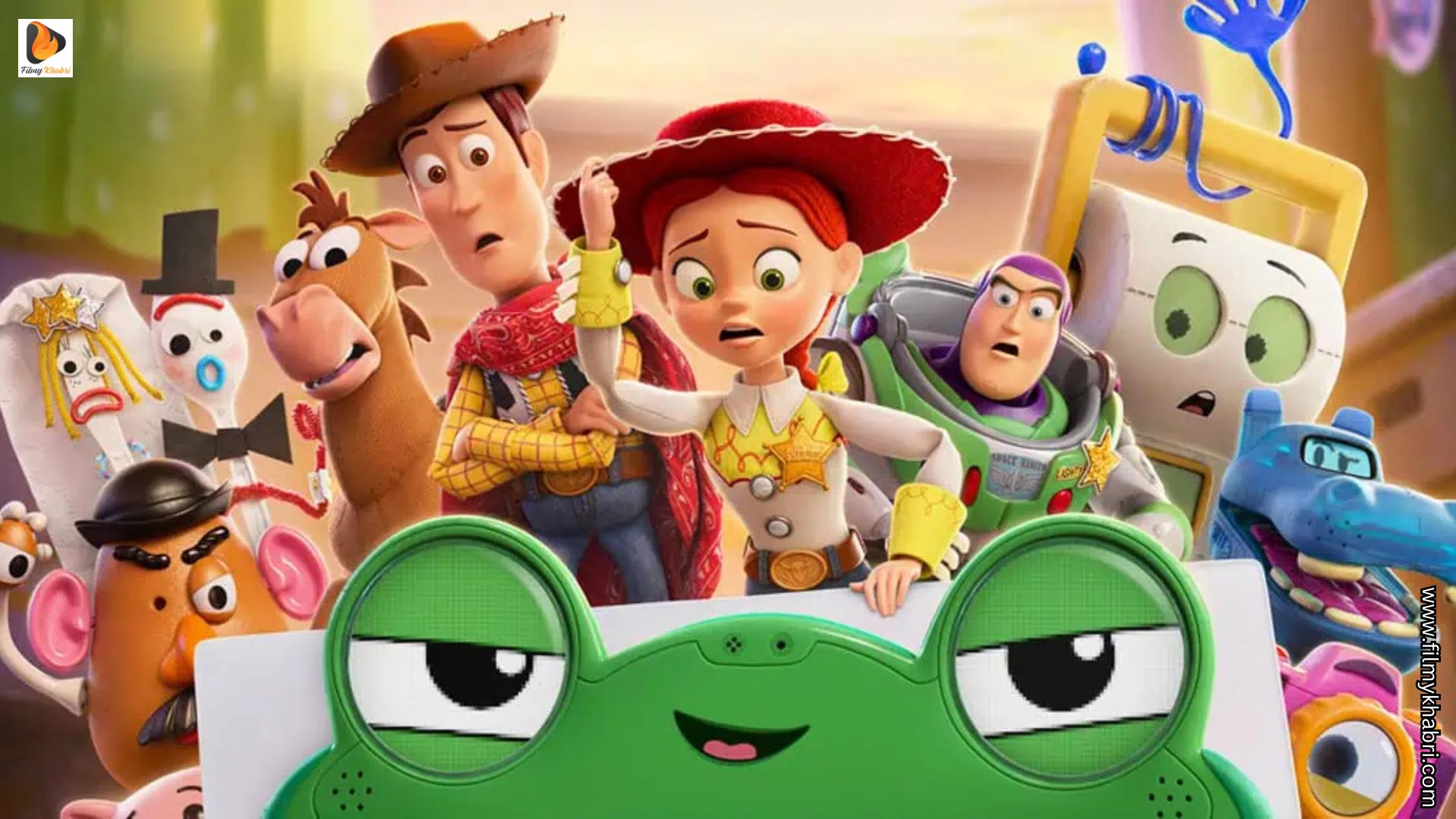
Disney and Pixar have once again reunited audiences with Woody, Buzz Lightyear, Jessie, and the beloved gang in Toy Story 5, but this time the biggest villain isn’t another toy—it’s the growing dominance of smartphones and tablets in children’s lives. Instead of focusing solely on nostalgia, the latest installment delivers a heartfelt and timely message about the importance of imagination, friendship, and real-world play in the digital age. Critics have praised the film for blending emotional storytelling with a modern social issue, making it one of Pixar’s most relevant sequels in years.
A Story That Reflects Modern Childhood
The film follows Bonnie, now older and increasingly fascinated by a child-friendly smart tablet called Lilypad. As digital entertainment begins replacing traditional toys, Jessie, Buzz, and the rest of the toy gang fear they are becoming irrelevant. Unlike previous films where toys competed against other toys, Toy Story 5 explores a much deeper challenge—technology replacing imagination. The emotional conflict resonates with parents and children alike, reflecting the reality of today’s screen-dominated world.

Jessie Takes the Lead
One of the biggest highlights is Jessie stepping into the spotlight. Her journey carries much of the film’s emotional weight as she struggles to help Bonnie reconnect with imaginative play while also confronting her own fears of being forgotten. Woody and Buzz remain important parts of the story, but Pixar wisely shifts the emotional center toward Jessie, giving longtime fans a fresh perspective without abandoning the franchise’s legacy. Critics have widely appreciated this creative decision.
Technology Isn’t the Enemy
Rather than portraying tablets and smartphones as completely harmful, Toy Story 5 delivers a balanced message. The film acknowledges that technology has benefits but reminds viewers that excessive screen time can reduce creativity, social interaction, and imaginative play. Instead of blaming technology itself, Pixar encourages families to find balance between digital entertainment and traditional childhood experiences. This nuanced storytelling has earned praise from both critics and parents.
Stunning Animation Meets Emotional Storytelling
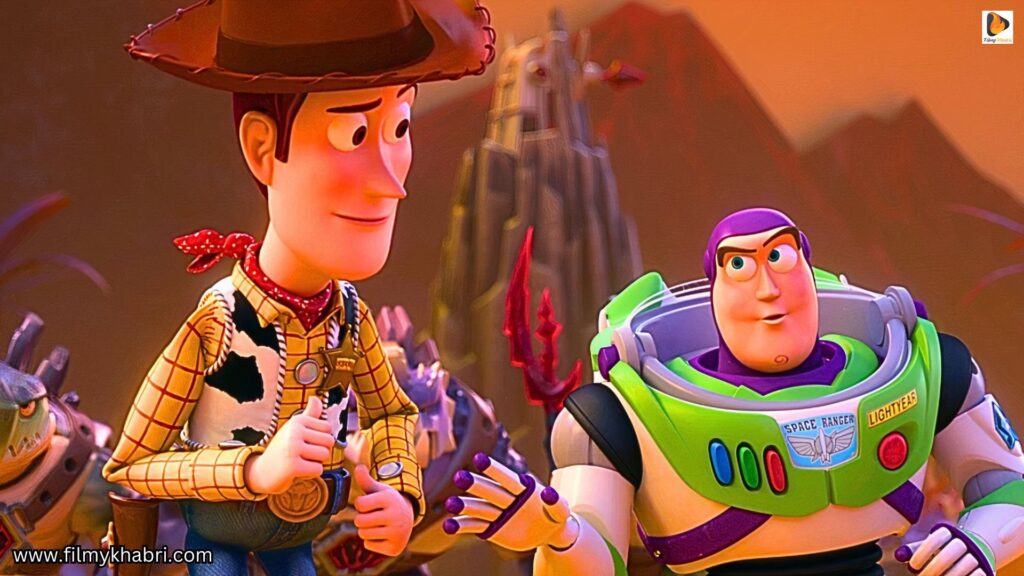
Visually, Toy Story 5 continues Pixar’s tradition of excellence. Every frame showcases remarkable animation, expressive character designs, and beautifully detailed environments. The emotional moments remain the franchise’s greatest strength, with several scenes delivering the heartfelt impact that fans have come to expect from the series.
Critics’ Verdict
Early reviews have been largely positive, with many praising the emotional depth, Jessie’s expanded role, and the film’s timely exploration of children’s relationship with technology. While some reviewers believe the sequel follows familiar storytelling patterns and doesn’t quite reach the emotional heights of earlier installments, most agree it remains a worthy addition to the beloved franchise.
Review
Toy Story 5 is much more than another nostalgic sequel. It serves as a thoughtful reflection on how childhood has evolved in the age of smartphones and tablets. Through its memorable characters and emotionally rich storytelling, Pixar reminds audiences that imagination, creativity, and genuine human connection remain timeless treasures. Whether you’re a longtime fan of the franchise or a parent navigating the challenges of raising children in the digital era, Toy Story 5 offers an emotional and meaningful cinematic experience.
Rating: ⭐⭐⭐⭐☆ (4.5/5)
With its heartfelt message, beautiful animation, and relevant social commentary, Toy Story 5 successfully proves that even in the digital age, the magic of toys—and imagination—still has the power to inspire generations.