Filmy Khabri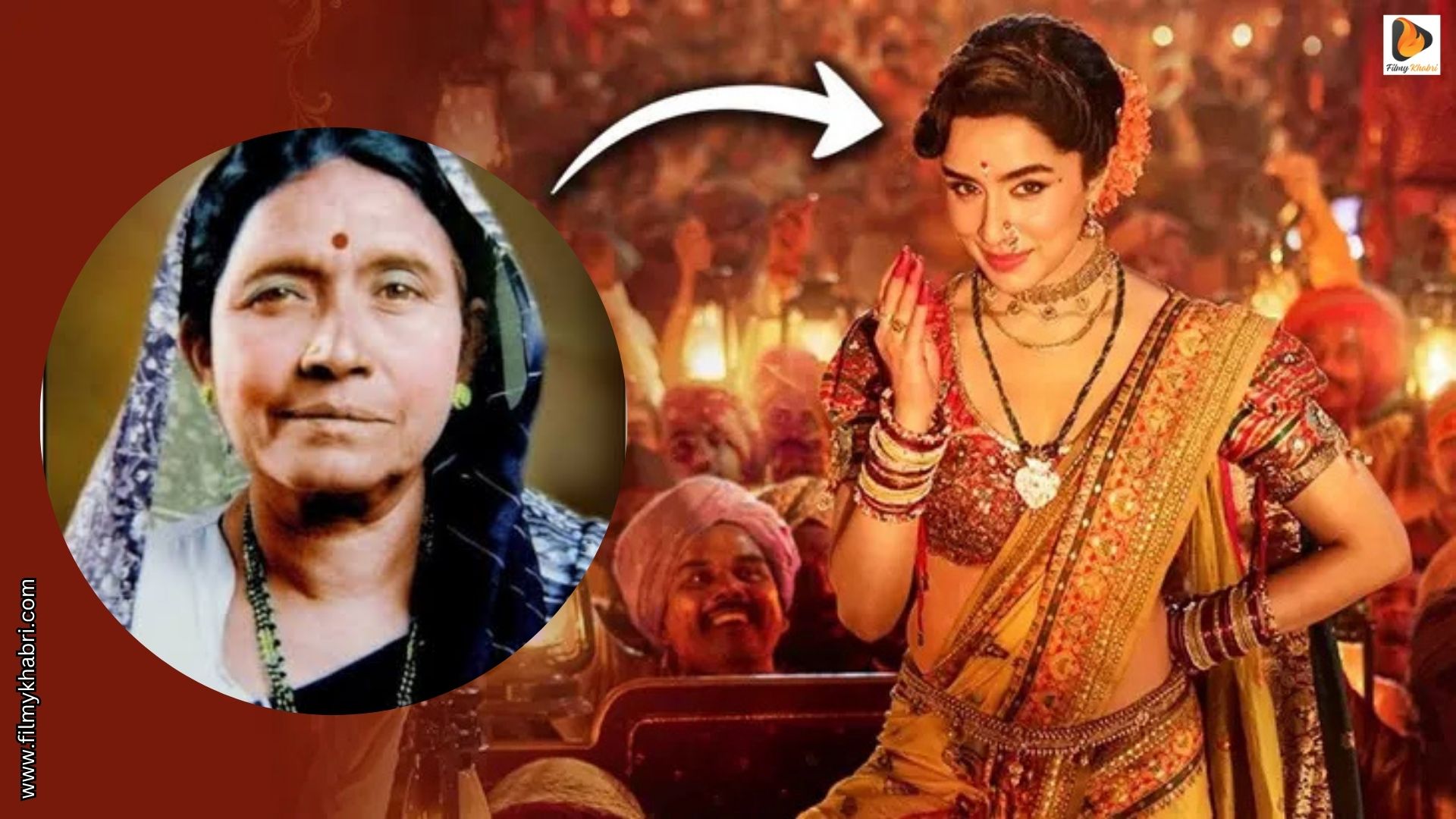
The upcoming biographical drama Eetha has generated immense excitement among cinema lovers, especially after the release of its powerful teaser featuring actress Shraddha Kapoor in a transformative role. The film tells the extraordinary story of Vithabai Narayangaonkar, one of Maharashtra’s most celebrated folk performers, whose life was defined by resilience, dedication, and an unwavering commitment to traditional art forms. As audiences eagerly await Eetha, many are curious about the remarkable woman who inspired the film. Here is everything you need to know about Vithabai Narayangaonkar and her enduring legacy.
Who Was Vithabai Narayangaonkar?
Vithabai Bhau Mang Narayangaonkar was a legendary Tamasha and Lavani artist from Maharashtra, often referred to as the “Tamasha Samradni” (Empress of Tamasha). She played a pivotal role in preserving and popularizing Maharashtra’s rich folk theatre traditions during the 20th century. Born into a family deeply connected to the Tamasha tradition, Vithabai developed a passion for performing arts at an early age. Her exceptional dancing, singing, and stage presence soon made her one of the most respected names in Marathi folk entertainment.

The Art of Tamasha and Lavani
Tamasha is a traditional folk theatre form from Maharashtra that combines music, dance, storytelling, and social commentary. Lavani, known for its energetic dance movements and powerful expressions, is one of the most prominent elements of Tamasha. Vithabai became a cultural icon because of her ability to captivate audiences through her performances. Her dedication helped keep these traditional art forms alive during a period when modern entertainment was rapidly gaining popularity.
The Story That Made Her a Legend
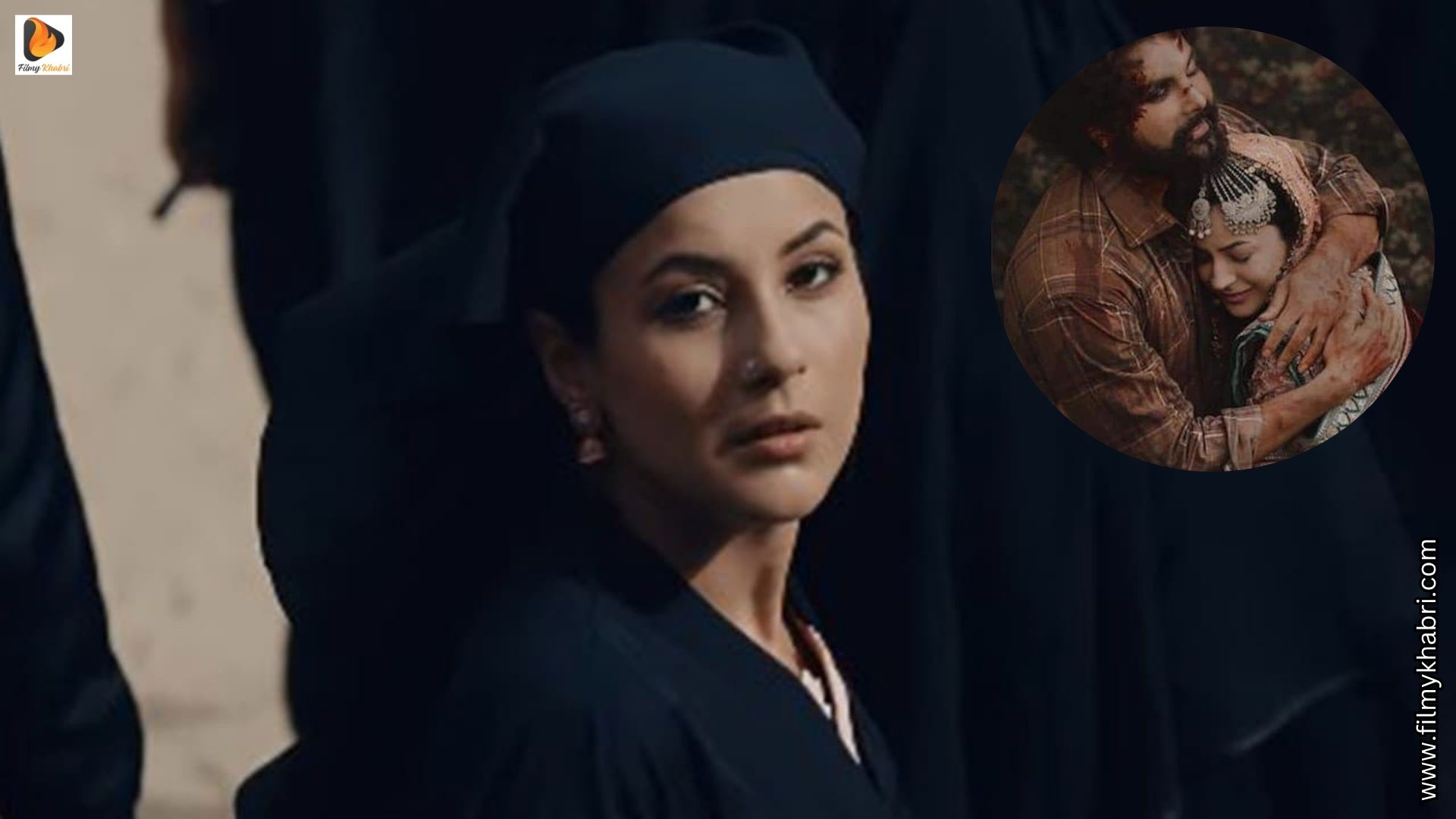
One of the most famous stories associated with Vithabai highlights her unmatched commitment to her craft. According to widely recounted accounts, she went into labor while performing at a show. After briefly leaving the stage to give birth backstage, she reportedly returned to complete the performance, astonishing audiences and fellow artists alike. This extraordinary incident became symbolic of her determination and passion for the performing arts. It is also prominently featured in the teaser of Eetha, where Shraddha Kapoor portrays the emotional and physically demanding moment.
Recognition and Achievements
Throughout her illustrious career, Vithabai earned numerous accolades for her contributions to Indian folk culture. She received national recognition and was honored by the President of India for her exceptional work in preserving traditional theatre and dance. Her performances inspired generations of artists and helped elevate Tamasha to a respected cultural platform. Despite achieving fame and recognition, Vithabai reportedly faced financial hardships throughout much of her life. Nevertheless, she remained loyal to folk theatre and continued performing rather than pursuing mainstream cinema opportunities.
Why ‘Eetha’ Is Important
Directed by Laxman Utekar, Eetha aims to introduce a new generation to the inspiring story of Vithabai Narayangaonkar. The film showcases her rise from humble beginnings to becoming one of Maharashtra’s most influential folk artists while highlighting the challenges she faced in a male-dominated industry.
The title Eetha itself is derived from a regional pronunciation of “Vitha,” reflecting the affection with which she was known in rural Maharashtra.
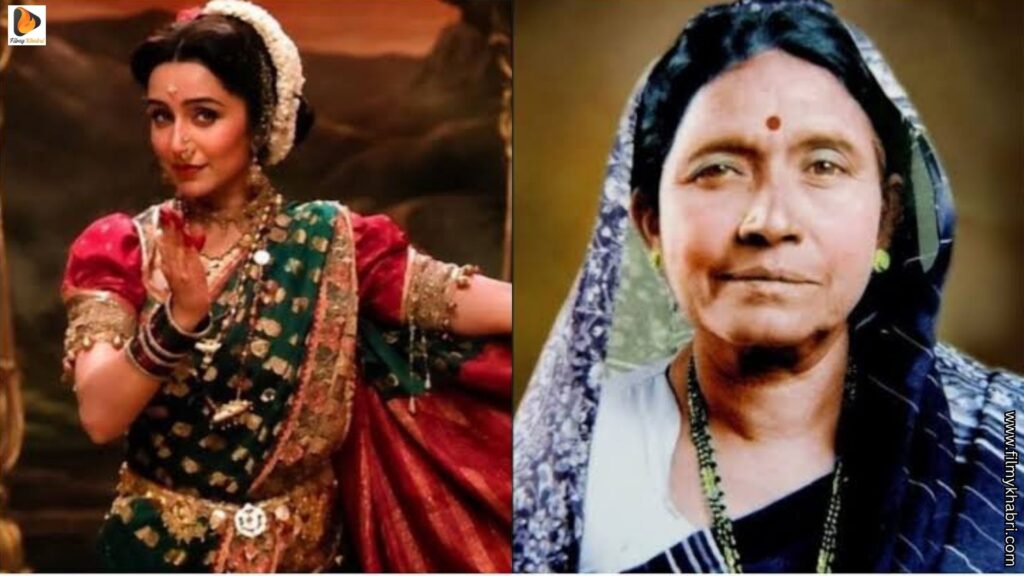
Shraddha Kapoor’s Transformation
Shraddha Kapoor has undergone extensive preparation to portray the iconic performer authentically. The actress trained in traditional Lavani dance and worked to capture Vithabai’s unique stage presence, emotional strength, and cultural significance. Early glimpses from the teaser have already received praise for showcasing a dramatic transformation unlike anything seen in her previous roles.
Vithabai Narayangaonkar’s Lasting Legacy
Vithabai Narayangaonkar passed away in 2002, but her influence continues to shape Maharashtra’s folk culture. She is remembered not only as an extraordinary performer but also as a symbol of perseverance, artistic integrity, and women’s empowerment in traditional performing arts. Her life story remains an inspiration for artists across India. The story of Vithabai Narayangaonkar is far more than a tale of fame. It is a powerful narrative of sacrifice, determination, and devotion to art. Through Eetha, audiences will witness the journey of a woman who transformed Maharashtra’s folk theatre landscape and became an enduring cultural icon. With Shraddha Kapoor stepping into the role, the film promises to bring the inspiring legacy of the Tamasha Queen to a wider audience than ever before.