Filmy Khabri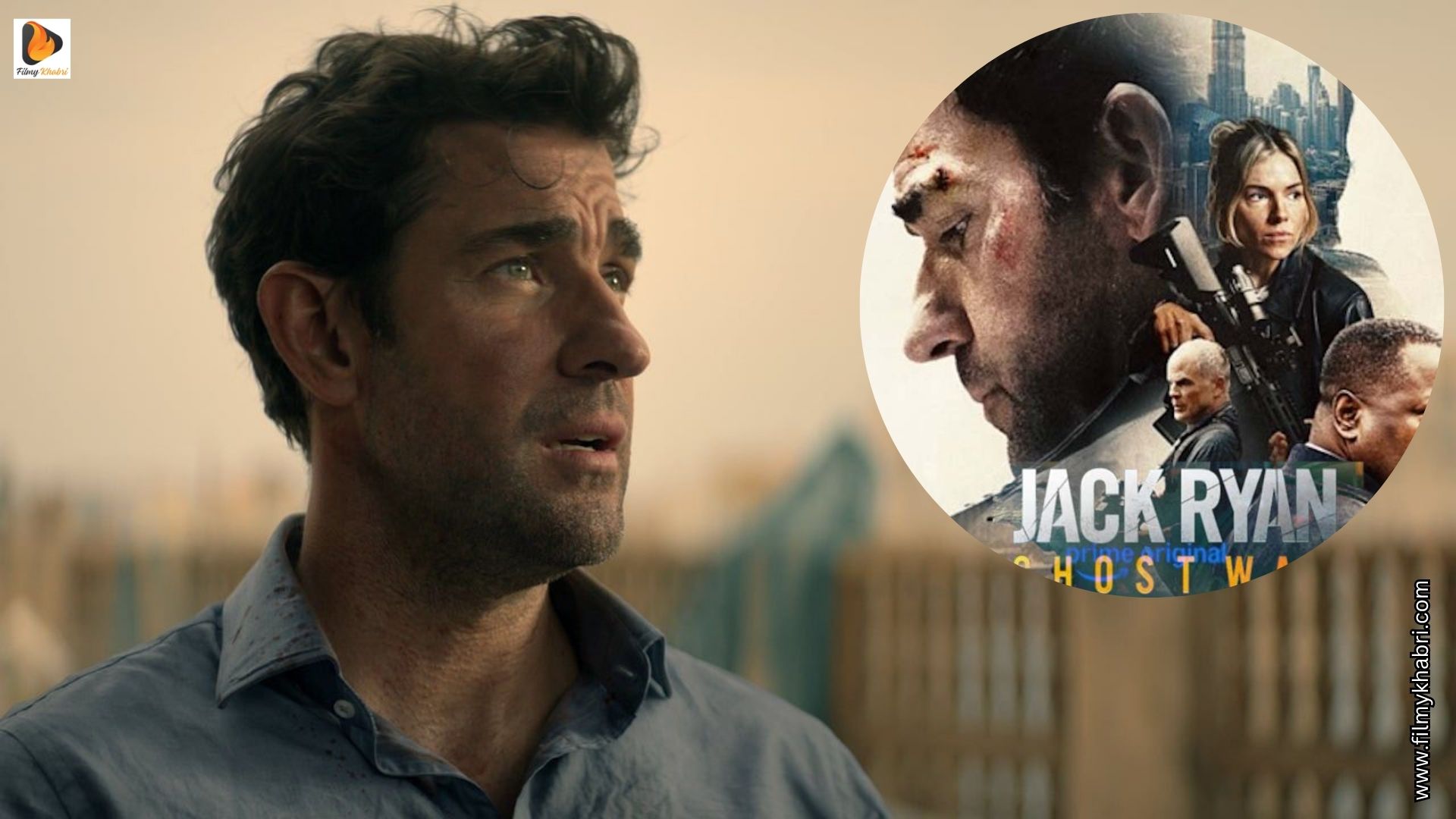
John Krasinski returns as the iconic CIA analyst in Tom Clancy’s Jack Ryan: Ghost War, a feature-length continuation of the popular Prime Video series. Packed with globe-trotting missions, high-stakes conspiracies, explosions, and intense combat sequences, the film attempts to transform the grounded political thriller into a larger cinematic spectacle. However, despite its slick presentation and polished action, Ghost War struggles under the weight of repetitive twists and a storyline that gradually loses its emotional impact. The film reunites viewers with Jack Ryan as he is pulled back into the dangerous world of espionage after uncovering a secret black-ops conspiracy. Alongside familiar allies Mike November and James Greer, Ryan races across international locations to stop a catastrophic global threat. The movie promises tension, suspense, and layered political drama, but unfortunately, the execution feels uneven.

One of the film’s strongest aspects is undoubtedly its action choreography. Director Andrew Bernstein delivers several visually engaging sequences, including chase scenes, covert operations, and explosive combat moments that maintain a fast pace throughout the runtime. John Krasinski once again proves why he has become a fan-favorite version of Jack Ryan, balancing intelligence with physical intensity. Sienna Miller also leaves a solid impression as MI6 officer Emma Marlowe, bringing confidence and mystery to the screen.
However, where the movie truly begins to stumble is in its storytelling. The screenplay repeatedly relies on familiar betrayals, hidden agendas, and “surprise” revelations that become predictable far too quickly. Instead of building genuine suspense, the narrative falls into a repetitive cycle where every major twist feels expected before it happens. Critics have pointed out that the film mistakes escalation for depth, constantly increasing the stakes without giving enough emotional or political weight to the conflict.
Another major issue is the compressed runtime. The original Jack Ryan series thrived because it allowed room for political tension, intelligence analysis, and character development. In Ghost War, the shift to a 105-minute film leaves little breathing space. Important character arcs feel rushed, emotional moments are underdeveloped, and several supporting characters barely receive enough screen time to leave a lasting impact. What could have worked as an engaging limited series instead feels like an overextended TV episode trying hard to appear cinematic. Fans of Tom Clancy’s original vision may also feel disappointed by how heavily the film leans into action over intelligence-driven suspense. Classic Jack Ryan stories focused on strategy, political complexity, and analytical brilliance. Here, Ryan often feels more like a traditional action hero than a CIA analyst. Online discussions among longtime fans have echoed similar concerns, with many viewers feeling that the franchise has drifted too far from its grounded roots.
Despite these flaws, Jack Ryan: Ghost War remains watchable thanks to its energetic pacing and charismatic performances. Existing fans of the Prime Video series will likely enjoy seeing familiar characters reunite for one more mission. Yet for viewers expecting a sophisticated spy thriller with fresh twists and emotional depth, the film may feel disappointingly formulaic. Ultimately, Ghost War delivers solid action entertainment but falls short of becoming a memorable addition to the Jack Ryan franchise. The movie proves that explosive set pieces alone cannot compensate for a repetitive plot and underdeveloped storytelling.