Filmy Khabri
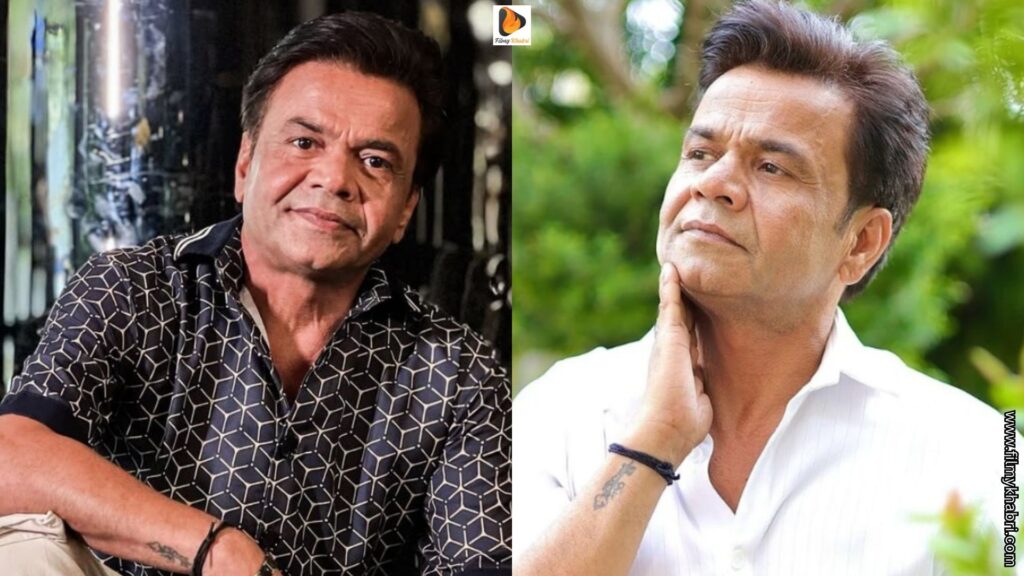
In a startling turn of events, Bollywood actor addressed the media on Saturday regarding the long-running ₹9 crore cheque bounce case. Appearing alongside his lawyer , the actor shared his side of the story in an emotional press conference. Recently granted interim bail after depositing ₹1.5 crore, Yadav revealed that he is currently associated with projects worth over ₹1,000 crore.
Loan or Investment? The Core Dispute
The controversy dates back to Yadav’s directorial debut, .
Businessman alleges that he had provided a loan for the film’s production. However, Yadav maintains that the amount was not a loan but an investment made on mutual trust.
According to Agarwal, the actor now owes him ₹9 crore including interest — a claim that has led to a prolonged legal battle.

“It Was a Family Matter”
During the press meet, Yadav described the agreement as a verbal understanding based purely on trust.
“This was never meant to become a legal issue. It was a family matter. I promised to return ₹8 crore after the film’s release.”
He admitted that:
- No legal documentation was formally reviewed
- No lawyer was involved at the time
- Even his wife was unaware of the deal
Yadav confessed that he had signed documents at Agarwal’s Laxmi Nagar office without reading them, calling it a serious mistake.
A Clash Beyond Money
The actor suggested that the issue is no longer purely financial.
“This is a battle of ego. If it was only about money, I would have paid it back long ago.”
He added that the understanding was simple — Agarwal would receive ₹8 crore after the film’s release, and the remaining earnings would belong to Yadav.
Reality Check: Film’s Performance
Made on an estimated budget of ₹11 crore, Aata Pata Lapata reportedly earned only ₹38 lakh at the box office — a major setback that complicated the repayment. As the actor wrapped up his statement, lawyer Bhaskar Upadhyay intervened, emphasizing:
“If trusting that man was a mistake, then that mistake was made by Rajpal Yadav.”
With emotions running high and legal complexities deepening, the case continues to unfold — blurring the line between trust, business, and accountability in the film industry.