Filmy Khabri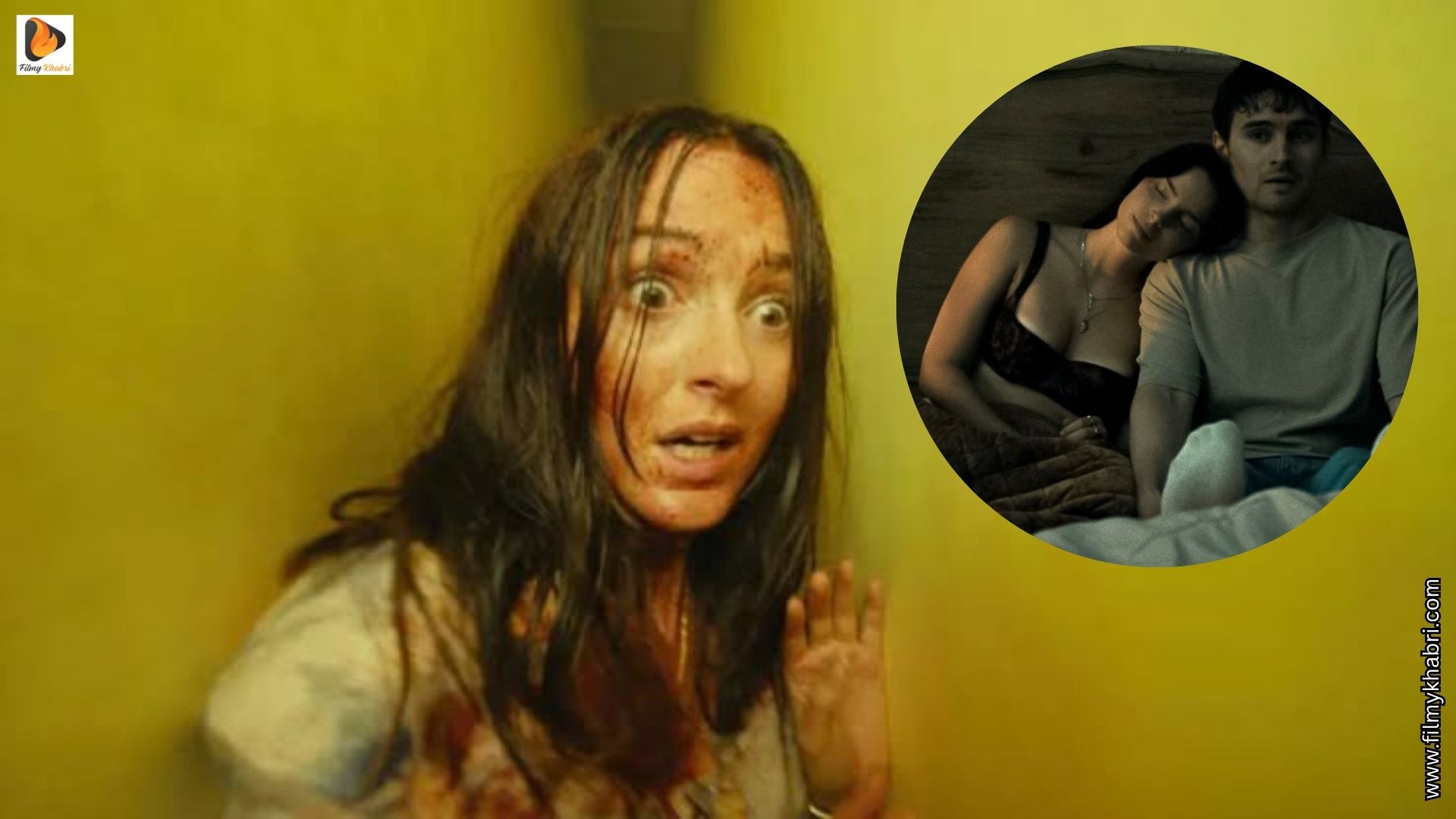
The entertainment industry is witnessing a remarkable transformation as a new generation of filmmakers emerges from the internet. Once dismissed as amateur content creators, young YouTubers are now proving that creativity, originality, and a deep understanding of digital culture can rival—and even surpass—the traditional Hollywood system. The massive success of horror films Backrooms and Obsession has become a defining moment in this shift, showing that internet-born storytellers are capable of creating blockbuster cinema that resonates with modern audiences.
The Rise of Internet Horror
For years, horror has been one of the most innovative genres in filmmaking. However, recent years have seen a new form of horror emerge from online communities, YouTube channels, creepypasta stories, and viral internet trends. Unlike conventional horror films that rely on jump scares and supernatural villains, internet horror taps into psychological fears, loneliness, digital anxiety, and the unsettling feeling of existing in unfamiliar spaces. This new wave of horror found its biggest breakthrough with Backrooms and Obsession, two films directed by creators who built their reputations online before entering Hollywood. Their success has sparked conversations about whether the future of filmmaking belongs to digital-native creators.
‘Backrooms’: From Viral Internet Myth to Hollywood Sensation
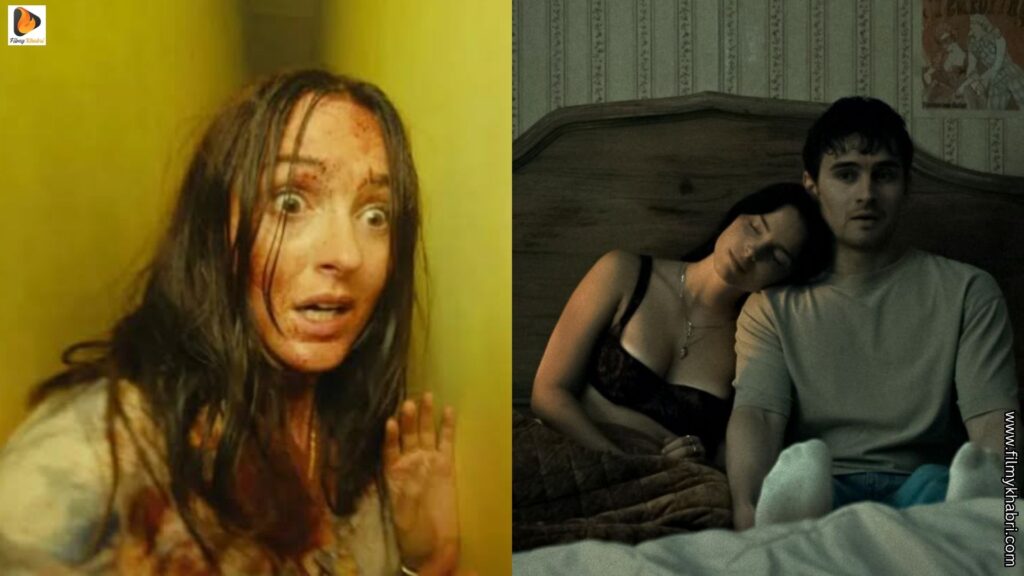
Few internet horror concepts have captured public imagination like Backrooms. The phenomenon began as a simple online image depicting an endless maze of yellow office rooms illuminated by fluorescent lights. Over time, the concept evolved into a massive internet mythology, inspiring stories, games, videos, and fan communities worldwide. The person most responsible for transforming the concept into a global phenomenon is Kane Parsons, also known as Kane Pixels. His YouTube short film series introduced millions of viewers to the eerie world of the Backrooms, accumulating hundreds of millions of views. Hollywood quickly took notice, and the viral web series eventually became a major feature film. What makes the success even more remarkable is Parsons’ age. At just 20 years old, he became one of the youngest directors to helm a major studio-backed horror film. His transition from YouTube creator to Hollywood filmmaker demonstrates how talent can emerge from unconventional platforms.

‘Obsession’ Proves Low-Budget Horror Can Win Big
Alongside Backrooms, Obsession has become another major success story. Directed by young creator Curry Barker, the film started as a modest project but eventually became a box-office sensation. Unlike many expensive studio productions, Obsession relied heavily on storytelling, atmosphere, and psychological tension. Audiences connected with its themes of emotional isolation, social anxiety, and modern fears, helping the film achieve impressive global earnings. Industry observers have pointed to the film as proof that compelling narratives can outperform massive budgets when they connect with viewers on a deeper level.
Why Gen Z Audiences Love These Films
The popularity of Backrooms and Obsession reveals an important shift in audience preferences. Younger viewers are increasingly seeking stories that reflect their experiences growing up in a digital world. Themes such as isolation, uncertainty, identity struggles, and the feeling of being disconnected from reality are central to both films. Unlike traditional horror movies that focus on monsters or supernatural threats, these internet-inspired films create fear through atmosphere and psychological unease. The endless hallways of the Backrooms symbolize uncertainty and existential dread, while Obsession explores emotional paralysis and the fear of making wrong choices. These themes feel highly relevant to a generation navigating social media, digital relationships, and an unpredictable future.
Hollywood’s New Talent Pipeline
The success of these films has forced Hollywood to reconsider where it finds new creative talent. For decades, filmmakers typically emerged through film schools, independent cinema, or industry connections. Today, platforms like YouTube provide aspiring creators with a direct route to audiences.
Industry executives are increasingly recognizing that creators who have spent years building communities online often possess valuable storytelling skills and an intimate understanding of audience engagement. As a result, Hollywood studios are paying closer attention to successful digital creators across YouTube, TikTok, and other platforms. The trend extends beyond Parsons and Barker. Several creators who built audiences online are now receiving opportunities to direct feature films and television projects, signaling a broader shift in the entertainment landscape.
What This Means for the Future of Cinema
The rise of Backrooms and Obsession represents more than just two successful horror films. It marks the beginning of a new era in which internet culture and traditional cinema are becoming increasingly intertwined. The ability to develop original intellectual property online, cultivate a dedicated fanbase, and transition into mainstream filmmaking has created opportunities that did not exist a decade ago. Many moviegoers and online communities believe these films demonstrate that audiences are eager for fresh ideas rather than endless franchise sequels. Discussions across movie forums and social media suggest that viewers appreciate the authenticity and originality brought by creators who understand internet culture firsthand. The phenomenal success of Backrooms and Obsession has proven that the next generation of Hollywood talent may not come from traditional pathways. Instead, it may emerge from YouTube channels, independent web series, and online communities where creativity thrives without studio constraints. As young creators continue to break box-office records and attract critical acclaim, Hollywood is learning an important lesson: great storytelling can come from anywhere. The internet has become more than just a platform for content—it has become a training ground for the filmmakers who are shaping the future of cinema.